Dueling Code
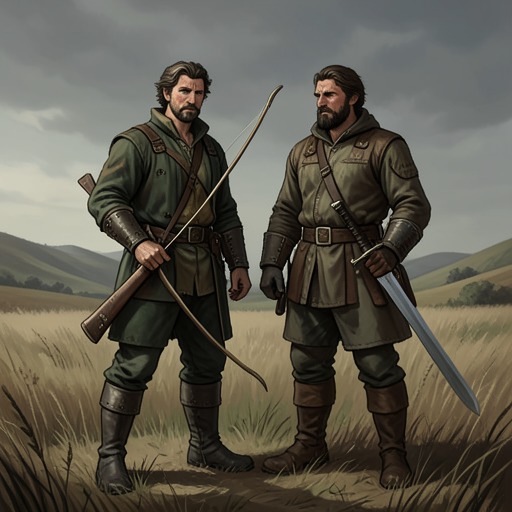
Eugene OneginThe Dueling Code turns an aristocratic quarrel into a regulated performance: seconds, measured ground, pistols, and formal commands make the encounter legible as an affair of honor. In the confrontation between Eugene Oneguine and Vladimir Lenski, adherence to the code does not avert violence. Instead, meticulous procedure carries the two former friends toward a fatal shot, exposing the distance between the appearance of disciplined conduct and its human cost.
Rules and Ritual
The code is presented through Zaretski, who arrives as the duel’s experienced intermediary. While Vladimir Lenski waits by the dam, Zaretski inspects the mill. Eugene Oneguine offers excuses, but Zaretski immediately notices that Eugene has brought no second. His rebuke establishes that a duel is not simply a private act of anger: it must be properly constituted, with the expected participants and prescribed arrangements in place.
Zaretski’s response is not to treat the omission as a minor practical inconvenience. He is characterized as a duellist devoted to method, unwilling to let a man be killed in a lax or informal fashion. The narrator’s praise of his observance of ancient usages is edged with irony: the rules are carefully honored, but their correctness cannot make the violence just or harmless. Procedure governs how the duel proceeds, not whether it should proceed.
Seconds and Formal Compliance
Eugene answers the objection by naming Monsieur Guillot as his second. He presents him as an honest, uncelebrated man, an arrangement that makes the appointment sound casual beside Zaretski’s exacting concern with convention. Zaretski bites his lip in anger, yet the duel moves forward. The contrast reveals the code’s social force: a disputed choice of second provokes disapproval, but it does not halt the encounter once the participants accept the arrangement.
The preparations give the rules a visible, physical shape. Shining pistols are uncased; Guillot stands behind a pollard; and Zaretski measures thirty-two paces with exactitude. The adversaries take their positions at opposite ends. These details make the ground itself part of the procedure, fixing distance and placement before either man fires. The formal arrangement is not ornamental background: it defines the conditions under which the fatal act will be carried out.
The Duel and Its Consequence
At the command to advance, the opponents move while still not taking aim. The prescribed sequence controls their actions until the moment when Lenski closes his left eye and takes aim. Eugene fires immediately. Lenski drops his pistol silently, and the narrator declares that the poet’s hour has sounded. The code has brought the encounter to its terminal act with clarity and precision, but its measured distance and ordered commands offer no protection against death.
The duel’s outcome gives the code its central narrative significance. Zaretski’s strictness prevents the meeting from being informal; it does not prevent a killing. The same ritual that appears to contain private hostility instead supplies a recognized path from affront to fatal violence. By placing exact observance beside Lenski’s silent fall, the episode shows how an inherited honor system can make violence orderly without making it less destructive.